
What You Need to Know About
Underground Oil Tanks
If you are buying a property with an underground oil tank, it is important to have it tested for leakage because the costs and environmental damage associated with a leaking oil tank can be extensive.
Risks Associated with Underground Oil Tanks
There is much debate about the life expectancy for an underground oil tank, but it is likely to last about 20 to 25 years. Any oil tank older than that has a very significant risk of leaking. Underground oil tanks usually fail as a result of rust proliferation. Tanks rust from the inside out, and the rust is usually caused by water that has gotten into the oil tank. A small amount of water and sulfur exist in home heating oil. When the water and the sulfur mix, they become acidic and corrosive, eating away at the tank from the inside. In most cases, the buyer of a property is legally responsible for the oil tank and any contamination, even if the buyer never used the oil tank.
Tank Inspections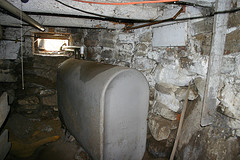
If you are buying a property with an underground oil tank, you should have it tested for leakage. Identification of any leaks is extremely important because substantial environmental damage and remediation costs in the hundreds of thousands of dollars may ensue.
The inspection will also determine whether the tank has water in it. As noted above, water inside the tank leads to rust. An oil tank that contains water has a very limited life span.
Do You Know for Sure Whether the Property Has an Underground Oil Tank?
Sometimes homes with gas-fired heating systems still have an underground oil tank. If the vent and the fill pipes have been removed, the tank can easily be concealed below ground.
We recommend having a tank search performed by an environmental company that specializes in locating underground oil tanks. Such companies have specialized equipment to locate hidden tanks. The cost is worth every penny that the peace of mind will bring.
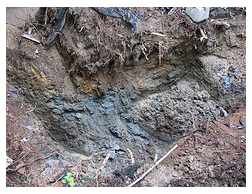 We also recommend having the soil tested whenever there is a below-ground oil tank, regardless of whether the tank is in use. Soil testing looks for evidence of soil contamination. To conduct a proper soil test, you must first locate the buried tank or the site where a tank was previously buried, and then take soil samplings to a depth just below the tank bottom.
Schedule oil tank services- 973-407-9621
New Jersey oil tank search:
Many homes in New Jersey still have underground oil tanks. Even homes that have been converted to natural gas can have an underground oil tank. If the oil tank vent and fill pipes have been removed the only method to determine if an abandoned oil tank exists is to have a NJ oil tank search performed. If you purchase a property with an underground oil tank that you were not aware of, you, as the new property owner, become responsible for all of the potential environmental risks associated with having an improperly abandoned oil tank. Having a tank search before you purchase the home will give you the peace of mind in knowing whether an oil tank does or does not exist. Performing this due diligence will arm you with more information in order to make informed decisions regarding the purchase of your new home.
What if the home is heated by oil and still has an in use underground tank? There are two testing options that can provide the information you need about the condition of the oil tank.
Integrity testing:
Integrity testing is any means to measure the strength or structural soundness of the container shell, bottom, and/or floor to determine whether the container is leaking oil. The preferred method of integrity testing is acoustical testing.
Acoustical sensors are placed inside the oil tank. Specialized equipment is used in order to detect any leakage from the oil tank. This is the preferred method of integrity testing. If at all possible, try to avoid pressure testing of the oil tank because pressure testing can actually make leaks worse.
Soil testing:
Soil or core samples are taken from all four sides of the belowground oil tank. The samples are then sent to a state certified laboratory for analysis. The laboratory will look for any petroleum-based substances in the soil samples. Purchasing a home with oil contaminated soil is a major regulatory and financial burden. It is very prudent to have New Jersey oil tank testing performed as an important element of your overall assessment of the property.
Schedule oil tank services- 973-407-9621
Remediation of Improperly Abandoned Tanks
When an improperly abandoned tank is found, there are two methods to properly fix the situation, provided that there is no oil leakage: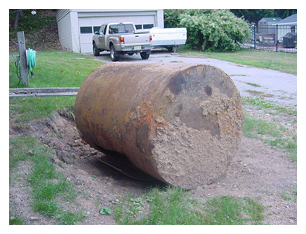
-
Oil tank removal: The tank is excavated, emptied, cleaned, and removed from the property.
-
Oil tank abandonment: The tank is left in place, cut open, emptied, and cleaned. The piping is removed, and the tank is filled with an approved filler. Typical tank fillers include sand or special foam products. These fillers prevent future collapse of the tank.
Remediation of an Oil Tank Leak
If a leak is detected, you should:
-
- Immediately report the leak to the NJ Department of Environmental Protection (DEP). Call the DEP action line at (877)-927-6337.
- Call your oil company and have them pump any residual oil out of the tank.
- Contact a qualified environmental contractor for cleanup.
- Alert your insurance company about the leak. Some insurance companies offer coverage, but most do not unless it is specifically written into your homeowner's policy. Lately, some insurance companies are denying coverage for homes with underground oil tanks.
Want to Know More?
More information about oil tank leaks, cleanup, available financial assistance programs, and insurance is available from the NJ DEP at New Jersey Buried Oil Tank (UST) & Above Ground Oil Tank (AST) Leak Reporting & Tank Abandonment Regulations