 New Jersey mold testing
What Are Molds and Why Are They a Problem?
Molds are microscopic fungi. When they are observed in outdoor environments, molds can be found consuming dead plants and animals by using enzymes to break them down.
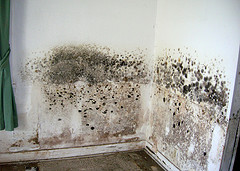
Under certain conditions, however, molds will attack the materials in your home, including wood, drywall, strand board, paper, and any other material that serves as a potential food source for molds. Molds can spread if left unchecked and can cause considerable damage to structural components in the home.
When molds reproduce, they use spores. When these spores are found in significant quantities, they can be hazardous to human health and have the potential to cause respiratory ailments and severe allergic reactions. People vary in their sensitivity to mold spores. Older people, children, and people with weak immune systems are the most susceptible, but even the healthiest individuals can experience negative health consequences associated with mold.
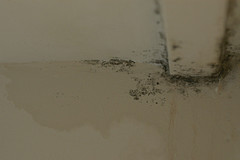 The biggest problem is that some molds, referred to as toxic molds, produce mycotoxins (toxic substances produced by fungi).Some of these toxins may cause specific diseases or health issues, while others may debilitate the immune system without producing any specific symptoms. Some act as irritants or as allergens, and some have no known effect on human beings.
Some mycotoxins have the potential to result in serious health consequences to humans, and also to pets. Exposure to these mycotoxins in high levels can lead to severe neurological problems and, in some cases, even death. Prolonged exposure (e.g., daily workplace exposure) can be particularly harmful.
How Do I Prevent Mold?
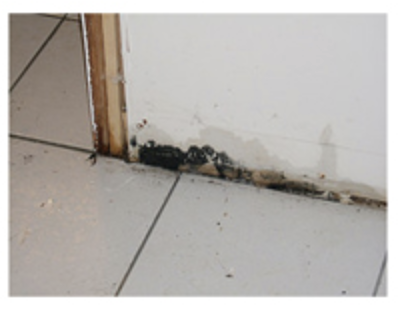 Mold needs two things in order to grow: moisture and a source of food. Water leaks and basement water problems contribute to the majority of the mold issues we see during our home inspections. High humidity levels are also a major cause. It is imperative that all water leaks be addressed immediately. Mold spores exist in the air that we breathe and will attach to a moist food source, starting the mold cycle.
One thing to keep in mind is that all homes have some level of mold. The critical question is this: Do you have toxic mold?
Do You Inspect for Mold?
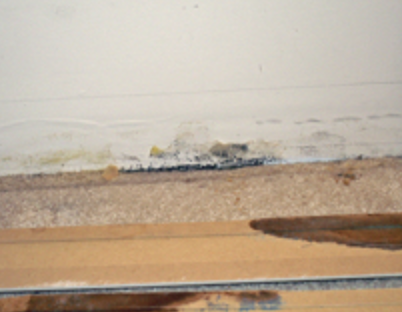 Yes. LookSmart Home Inspections is certified by the Mold Inspection Consulting & Remediation Organization to perform NJ mold testing and NJ mold inspections. LookSmart is certified to perform both air sampling and surface sampling for molds. Visit our New Jersey Mold Testing page to find out more.
Want to Know More?
A very good resource on mold from the United States Environmental Protection Agency (USEPA):
Mold | US EPA
An easy-to-understand mold resource from the American Industrial Hygiene Association:
https://www.ci.milford.ct.us/sites/g/files/vyhlif3461/f/file/file/facts_about_mold.pdf